blog /
How to Obtain Traffic Camera Video Footage After a Car Accident in Washington State
Video footage can make all the difference in proving what really occurred in a car accident, rather than relying on eyewitness accounts or the memories of drivers and passengers who have just been through a traumatic event. Whether from traffic cameras, dashcams, or nearby security cameras, this video evidence can clarify fault, support your personal injury claim, and help you recover maximum compensation.
But how do you actually obtain that valuable video evidence? It’s not as simple as searching online, especially when dealing with government agencies, insurance companies, and strict retention timelines. Fortunately, the Tacoma-based car accident lawyers at Rush, Hannula, Harkins & Kyler PLLC (RHHK) are experts in how the process works, and how a skilled personal injury attorney can help ensure critical video isn’t lost.
The Value of Video
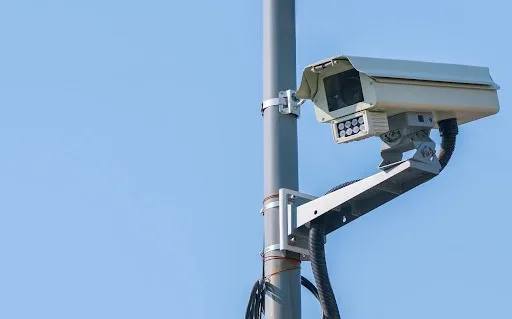
In most car accident cases, the question of fault comes down to evidence. Traffic camera footage (including video from red light cameras, speed cameras, or intersection surveillance cameras) can show exactly what happened in the critical seconds before, during, and immediately after a collision.
Unlike eyewitness statements, which can be subjective, video captures the irrefutable facts: vehicle positions, relative speed, traffic light changes, and even visible distractions like cellphone use. This video evidence is typically more persuasive to both insurance adjusters and juries alike.
In addition to official traffic camera video, dashcam or security footage from local businesses or private residences can also be crucial. These recordings can help reconstruct the crash, strengthen a personal injury case, and counter claims by an insurer attempting to minimize or deny liability.
So, Where to Find the Footage?
In Washington State, traffic video can come from a few key sources:
Department of Transportation (WSDOT)
The Washington State Department of Transportation (WSDOT) operates a statewide network of traffic cameras primarily designed to monitor congestion and road conditions. While these cameras may capture parts of a crash, they’re not typically intended for accident investigation.
WSDOT footage is often not stored long-term. Many systems automatically overwrite video within 24 to 72 hours, so time is of the essence. You can request traffic camera footage through the agency’s Public Records Request process.
City and County Traffic Management Systems
Local police departments and city transportation divisions (e.g., Tacoma Public Works or the Seattle Department of Transportation) often maintain red light or speed camera systems. These are typically managed by contracted vendors who work with law enforcement agencies to review violations.
If you believe your accident occurred near one of these cameras, your car accident attorney can help submit a formal request or even a subpoena to access the footage.
Private and Commercial Sources
Don’t overlook surveillance cameras from private businesses, apartment complexes, or residences near the crash scene. Many local businesses, especially those at intersections, have security cameras that may have captured valuable video footage. A skilled personal injury lawyer will know how to identify potential sources, contact business owners, and preserve the footage before it’s deleted.
How to Request Traffic Camera Footage
Unfortunately, obtaining traffic camera video footage typically takes persistence and precision, with limited time before your valuable evidence gets overwritten. Here’s how to proceed in the hours after a collision:
- File a Police Report: Start by obtaining your accident report from the responding police department. This document helps establish key details like date, time, and location, that you’ll need when filing records requests.
- Contact the Appropriate Government Agency: Identify whether the footage is likely held by a city, county, or state agency. For example:
- WSDOT for freeway or highway incidents
- Local police departments or public works departments for city intersections
- Submit a public records request as soon as possible, providing specifics like the license plate, intersection name, and exact time of the crash
- Work Through Your Attorney: In some cases, especially if the footage is protected or part of a law enforcement investigation, your attorney may need to issue a subpoena or formal letter to preserve and obtain it.
An experienced car accident attorney can coordinate with government agencies to ensure deadlines are met and data is retained before it’s automatically erased.
How Long Do You Have?
Timing is critical. Most traffic camera video in Washington is retained only for a short period. Sometimes only 24 hours, but other times up to a few weeks, depending on the law enforcement agency or vendor system.
Private security cameras and dashcams can also overwrite old footage automatically. For this reason, it’s crucial to act quickly. The longer you wait, the greater the chance that essential video footage will be lost forever. A lawyer can help you make a formal request for footage and, if necessary, take legal steps to ensure it’s preserved as evidence.
If no traffic camera footage exists, or it’s since been deleted, don’t panic! There are still several video-based options you can pursue to help establish fault, such as dashcam or cellphone video from you or another driver, or footage from private businesses or residential cameras. A qualified personal injury lawyer can help gather and organize all available evidence to build a strong case. Even without direct video, you may still have a compelling car accident claim.
How Video Footage Can Strengthen Your Injury Claim
Video evidence does more than simply show that a collision occurred. It can help establish important facts that insurance companies often dispute.
Footage may demonstrate:
- Which driver had the right of way
- Whether a driver was speeding
- Failure to yield
- Running a red light or stop sign
- Unsafe lane changes
- Distracted driving
- Vehicle positions before impact
- Weather and roadway conditions
- The severity of the collision
When combined with police reports, witness statements, photographs, and medical records, video footage often provides compelling evidence supporting a personal injury claim.
If your injuries require legal action, our Tacoma car accident attorneys can help gather and present evidence that supports your claim.
Using Video Evidence in Your Car Accident Claim
Once obtained, traffic camera footage can be instrumental in proving negligence and establishing liability in auto accident cases. Attorneys often use video alongside other documentation, such as:
- The official police report
- Photos from the crash scene
- Statements from eyewitnesses
- Accident reconstruction or expert analysis
When combined, this evidence helps demonstrate exactly how the collision occurred, clearly identifying whether a driver ran a red light, was speeding, had their eyes off the road and on their cell phone, or failed to yield.
Insurance companies may challenge your claim or argue that video footage is inconclusive. That’s where experienced car accident lawyers come in—presenting the footage effectively and within context in order to support your claim for maximum compensation.
Video footage should rarely be viewed in isolation. Attorneys often compare the recording with vehicle damage, skid marks, crash reports, witness testimony, and medical evidence to create a complete reconstruction of the collision. This broader analysis can be particularly valuable when insurance companies argue that video footage is incomplete or open to interpretation.
If liability remains disputed after reviewing the available evidence, understanding Washington’s comparative negligence law can help explain how fault may still be allocated between multiple parties.
Why Work With a Car Accident Attorney
Requesting, preserving, and using traffic camera video footage requires an understanding of both legal procedure and public records laws. Many government agencies won’t release footage without a valid reason, and some requests may be denied unless handled correctly.
An experienced law firm like RHHK can help by:
- Submitting timely and complete public records requests
- Issuing subpoenas when agencies or insurance companies refuse to cooperate
- Coordinating with law enforcement agencies and private businesses to secure key video evidence
- Presenting footage effectively to support your personal injury case
Your attorney can also manage communications with insurance adjusters, guide you through insurance claims, and ensure you’re not pressured into settling for less than your case is worth.
Get Legal Advice and Protect Your Rights
Video evidence can be the difference between a denied claim and significant compensation. But accessing and preserving footage of a car accident is often complex and time-sensitive.
If you’ve been involved in a car accident in Tacoma, Pierce County, or anywhere in Washington State, contact RHHK’s car accident attorneys today. We’ll help identify every potential source of video footage, ensure your rights are protected, and fight for the compensation you deserve.
Frequently Asked Questions About Traffic Camera Footage
Can I request traffic camera footage myself?
Yes. Depending on who owns the camera system, you may be able to submit a public records request. However, requests must often be made quickly because many systems automatically overwrite recordings after a short retention period.
How long is traffic camera footage kept in Washington?
Retention periods vary by agency and camera system. Some recordings may only be available for a short time before being overwritten, making it important to act promptly after an accident.
What if there isn’t a traffic camera where my accident happened?
Traffic cameras are only one source of evidence. Dashcams, business surveillance systems, residential security cameras, witness statements, police reports, and accident reconstruction experts may also help establish what happened.
Can video footage help prove fault?
Yes. Video evidence can help demonstrate vehicle positions, traffic signal changes, right-of-way violations, speeding, distracted driving, and other factors that may establish liability after a collision.