Vehicle Accidents /
Car Accident Lawyers in Tacoma, WA
Helping Injured Drivers and Passengers Seek Justice and Maximum Compensation
Tacoma Car Accident Attorneys
Auto Accidents in Tacoma: Seeking Fair Compensation
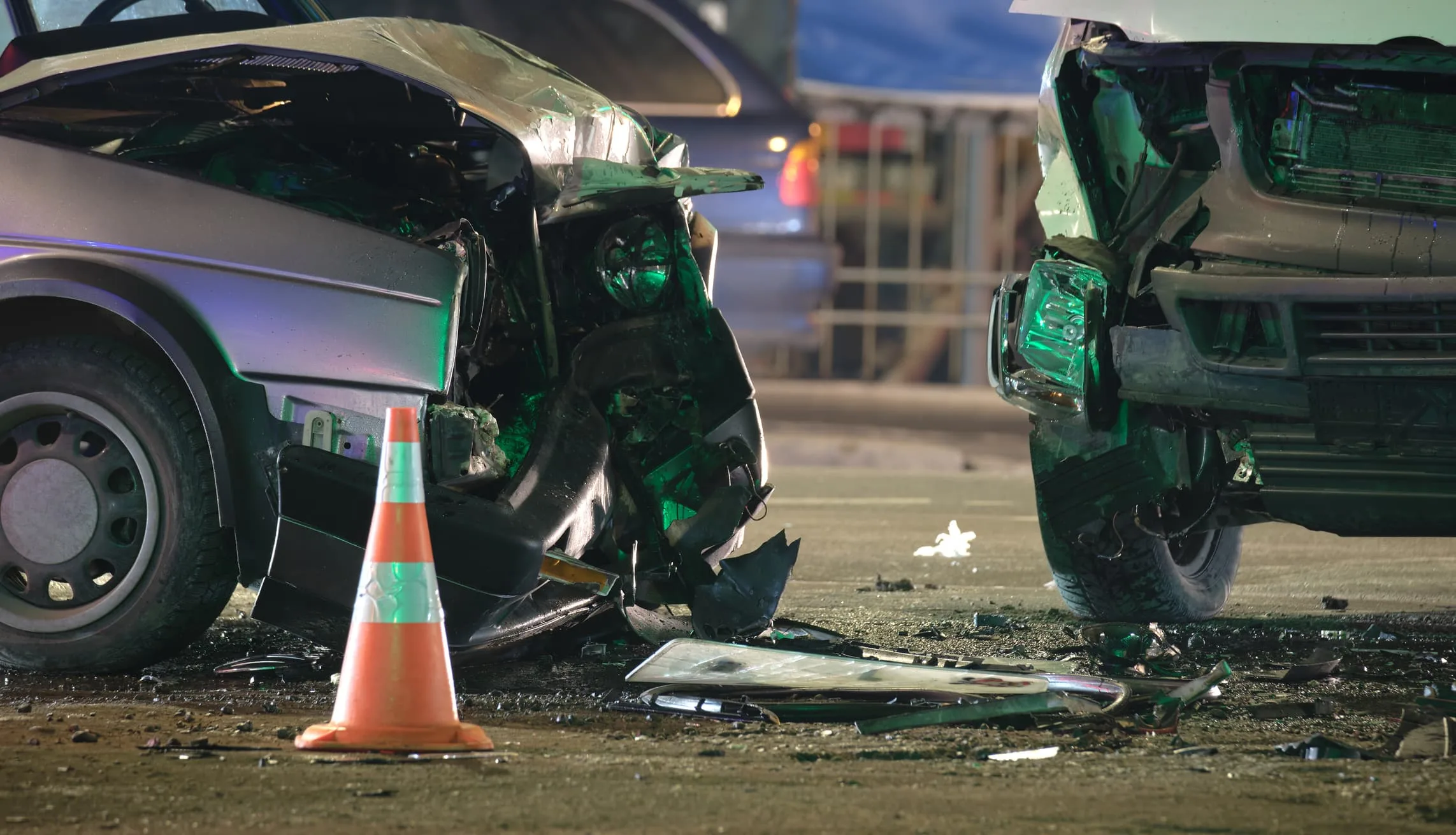
A car accident can happen in an instant. The consequences can last a lifetime.
One moment you’re merging onto I-5 near the Port of Tacoma, crossing the Narrows Bridge on your morning commute, or heading south on Pacific Avenue. The next, you’re dealing with serious injuries, a wrecked vehicle, and a flood of calls from an insurance adjuster who’s already working against you.
Pierce County recorded 12,491 crashes in 2025—including 78 fatal wrecks and 300 collisions resulting in suspected serious injuries—according to WSDOT collision data. These aren’t just numbers. Each incident represents real families facing real disruption.
At Rush, Hannula, Harkins & Kyler PLLC (RHHK), we’ve been representing accident victims in Tacoma, Seattle, Olympia, and throughout Western Washington for more than six decades. Our firm is built on the belief that injured people deserve strong advocacy, skilled legal representation, and a dogged pursuit of the compensation they’re entitled to.
If you or a loved one has been injured in a car accident, our experienced car accident lawyers can help you navigate the legal process, protect your rights, and hold negligent parties accountable. We’ve successfully handled cases involving:
- Liability disputes and comparative fault
- Distracted, reckless, or impaired drivers (DUI/DWI)
- Defective vehicles and auto parts
- Dangerous or poorly maintained roads
- Truck, motorcycle, and pedestrian accidents
- Catastrophic injuries and wrongful death claims
Car Crashes in Pierce County: By the Numbers
The roads around Tacoma are among the most dangerous in Western Washington. WSDOT data for 2025 shows the scale of the problem.
| Crash Category | 2025 Count – Pierce County |
| Total Crashes | 12,491 |
| Fatal Crashes | 78 |
| Fatalities | 80 |
| Suspected Serious Injury Crashes | 300 |
| Suspected Serious Injuries | 346 |
| Speeding-Related Crashes | 93 |
| Alcohol and/or Drug Impaired Crashes | 74 |
| Inattentive or Distracted Crashes | 62 |
| Young Driver (16-25) Involved Crashes | 115 |
| Older Driver (65+) Involved Crashes | 79 |
Source:
WSDOT Collision Data Portal, Pierce County 2025 Fatal and Suspected Serious Injury Report
Behind every one of these crashes is a person or people dealing with pain, medical bills, and uncertainty. Our Tacoma car accident lawyers have handled cases involving every crash type in this table, and we know what it takes to get results.
Dangerous Roads in Tacoma and Pierce County
Washington State’s Target Zero initiative, the state’s roadmap toward eliminating all traffic fatalities and serious injuries by 2030, identifies specific crash patterns that account for the majority of preventable deaths and catastrophic injuries on Washington roads. Those patterns are particularly visible throughout Pierce County.
WSDOT and state safety researchers have identified three conditions that consistently generate the most severe crashes: high-speed corridors where through-traffic mixes with local access points, intersections with significant turning and crossing conflicts, and arterials where impaired or inattentive drivers encounter limited margin for error. Pierce County has all three in abundance, and the 2025 data reflects it.
Interstate 5 Through Tacoma
I-5 through downtown Tacoma is one of the most heavily traveled corridors in the state, carrying a sustained mix of commuter traffic, commercial freight, and long-haul trucks. The speed and volume combination, particularly through the Tacoma Dome interchange and the SR-16 split, creates persistent conditions for rear-end and sideswipe crashes. This corridor is a textbook example of the high-speed, high-volume crash pattern Target Zero prioritizes.
Pacific Avenue (SR-7)
Running south from downtown Tacoma through Parkland and into unincorporated Pierce County, Pacific Avenue is a mixed-function arterial in the exact mold that WSDOT has flagged as disproportionately dangerous (high-speed through-traffic sharing a corridor with local businesses, driveways, cross streets, and pedestrian activity; sometimes called a “stroad,” or combination of street and road). This mix consistently produces angle crashes, rear-end collisions, and pedestrian incidents. The 62 inattentive and distracted driving crashes recorded countywide in 2025 reflect exactly the kind of divided-attention incidents that mixed-function arterials generate.
State Route 16 and the Tacoma Narrows Bridge Approach
SR-16 carries significant traffic between Tacoma and the Kitsap Peninsula. The approach to the Narrows Bridge, particularly the interchange at 6th Avenue, concentrates merging conflicts in a compressed area. Strong crosswinds on the bridge structure itself are a contributing factor in single-vehicle incidents that would not occur on comparable inland highways.
Highway 512
The SR-512 corridor connects I-5 to SR-7 through Parkland and Spanaway, passing through some of Pierce County’s fastest-growing residential areas. Increased development along the corridor has added access points and cross traffic to a road originally designed for through movement—another iteration of the mixed-function arterial problem, compounded by growing volume.
Center Street and South 38th Street
These Tacoma surface streets carry significant local traffic and have a documented history of angle and turning crashes at key intersections, particularly near the Tacoma Mall area, consistent with the intersection hotspot pattern WSDOT identifies as a primary source of serious injury crashes statewide.
Weather and Road Surface Conditions
Washington’s rainy season amplifies crash risk across all of these corridors. WSDOT’s Target Zero research consistently identifies impairment, speed, and inattention as the dominant human factors behind serious crashes. Rain-slicked pavement on I-5, standing water on Pacific Avenue, and reduced visibility on SR-16 turn ordinary driver errors into catastrophic ones. When a driver fails to adjust for known, foreseeable conditions, that failure is legally relevant to a negligence claim.
If you were injured on any of these roads, the crash circumstances matter. RHHK’s attorneys know these corridors and how to build a case around them.

Common Causes of Car Crashes in the South Sound
While every crash has its own circumstances, certain causes appear repeatedly in the cases we handle across Tacoma, Lakewood, Federal Way, and the broader South Sound:
Driver Negligence
Failing to follow traffic laws (speeding on I-5, tailgating in heavy rain on SR-16, failing to yield on Pacific Avenue) can all constitute negligence under Washington law. Negligence is the foundation of most personal injury claims.
Driver Impairment
Alcohol, illegal drugs, prescription medication, and even over-the-counter medicines can impair reaction time and judgment. Washington’s DUI laws are among the strictest in the nation, but impaired drivers still cause crashes across Pierce County every week. WSDOT data recorded 74 alcohol- and drug-impaired crashes in Pierce County in 2025 alone.
Distracted Driving
Texting, GPS adjustments, eating, or simply talking to a passenger can take a driver’s attention off the road long enough to cause a catastrophic crash. Inattention and distraction contributed to 62 documented crashes in Pierce County in 2025, and that figure almost certainly understates the true number, since distraction is notoriously difficult to confirm in crash reports.
Defective Auto Parts
Faulty brakes, steering components, or airbags can cause or worsen accidents. When a defective product contributes to a crash, we may pursue a product liability claim against the manufacturer or supplier in addition to any negligence claims.
Dangerous Road Conditions
Improper signage, malfunctioning traffic signals, or unsafe roadway design, including poorly lit rural intersections in southern Pierce County, can shift liability to a government agency responsible for road maintenance. These claims involve specific procedural requirements under Washington law, and timely action matters.
Weather and Road Surface Conditions
Washington’s rainy season creates predictable hazards that drivers are expected to account for. When a driver fails to adjust speed or following distance for wet or icy conditions, that failure can establish negligence even in weather-related crashes.
The Aftermath: What to Do Immediately After a Wreck
Your actions in the minutes, hours, and days following a car crash can significantly affect the outcome of your personal injury claim. While every situation is unique, these steps can help protect your health, your rights, and your ability to recover fair compensation:
- Call 911: Report the accident to law enforcement. A police report creates an official record that will matter when your claim is evaluated.
- Seek medical attention: Even if you feel fine, some injuries (concussions, internal damage, soft tissue trauma) take time to present. Gaps in treatment give insurers ammunition to undervalue your claim.
- Gather evidence: Photos of the accident scene, vehicle positions, road conditions, and any visible injuries can prove critical later.
- Collect witness information: Names and phone numbers from bystanders or other drivers can be invaluable when accounts conflict.
- Avoid admitting fault: Stick to the facts when speaking to police or the other driver. Washington’s comparative fault rules mean that anything you say can be used to reduce your compensation.
- Contact a car accident attorney: The sooner you do, the better we can preserve evidence, manage insurance communications, and build your case from the start.
Our legal team regularly works with accident reconstruction specialists, medical professionals, and investigators to ensure no critical detail is overlooked.
When the Shock Wears Off: Types of Car Accident Injuries
Car accident injuries vary widely in severity and long-term effect. Some heal with rest and physical therapy. Others require extensive treatment and permanently alter quality of life. Among the most common injuries we see in Tacoma and the South Sound are:
-
Whiplash and soft tissue injuries: Often caused by sudden jolts or rear-end collisions, whiplash can produce chronic neck and back pain, headaches, and reduced mobility. These injuries may not be immediately apparent but can develop over days or weeks, which is one reason prompt medical attention matters even when you feel fine at the scene. Learn more about whiplash and soft tissue injuries.
-
Neck pain: Neck pain is one of the most common injuries after a car accident and may result from muscle strain, ligament damage, herniated discs, or nerve compression. Symptoms can include stiffness, headaches, reduced range of motion, and pain that radiates into the shoulders or arms. Even mild discomfort can signal a more serious injury that requires medical evaluation. Learn more about neck pain after a car accident.
-
Upper back pain: The force of a collision can strain muscles, damage spinal discs, and injure joints throughout the upper back. Pain may appear immediately or develop over several days, making early diagnosis important. Some injuries require physical therapy, pain management, or surgery to restore mobility and function. Learn more about upper back pain after a car accident.
-
Arm and shoulder injuries: Drivers and passengers frequently suffer injuries to the arms and shoulders while bracing for impact or from seatbelt and airbag forces. These injuries can include fractures, rotator cuff tears, nerve damage, dislocations, and soft tissue injuries that limit strength and mobility. Learn more about arm pain after a car accident.
-
Broken bones and fractures: High-impact collisions frequently cause fractures in the arms, legs, ribs, or pelvis. Treatment may involve casting, surgery, or extended rehabilitation. Some fractures lead to long-term mobility issues or arthritis.
-
Spinal cord injuries: Among the most devastating outcomes of a serious crash, spinal cord injuries can range from partial loss of sensation to complete paralysis. Recovery often involves surgery, lifelong therapy, and adaptive equipment, all costs that belong in your compensation claim.
-
Traumatic brain injuries (TBIs): Even a mild concussion can produce lasting symptoms, including memory loss, difficulty concentrating, mood changes, headaches, and fatigue. Severe TBIs can result in permanent cognitive and physical impairments that affect every aspect of daily life. Learn more about the warning signs of traumatic brain injuries after an accident
-
Internal injuries: Damage to organs or internal bleeding may not be immediately visible but can be life-threatening. This is another reason why seeking medical attention immediately after a crash, even when you feel fine, is so important.
-
Disfigurement and scarring: Accidents involving glass, fire, or metal can leave permanent scarring or disfigurement, with significant emotional and psychological consequences that are compensable under Washington law.
-
Emotional and psychological trauma: Anxiety, depression, and post-traumatic stress disorder are common after serious accidents and are legitimate, compensable components of a personal injury claim.
Understanding the full scope of your injuries, including future medical needs, is essential to making sure your claim covers everything it should. We work with specialists to build a comprehensive picture of how your daily life and long-term well-being have been affected.
RHHK is a law firm, not a medical provider. If you have been injured in a car accident, please seek medical attention immediately. The information above is provided for general informational purposes and does not constitute medical advice.

Avoiding Common Mistakes
Even honest mistakes made in the traumatic aftermath of a crash can harm your claim. The most common pitfalls we see:
- Delaying medical treatment: Gaps in care give insurers an excuse to argue your injuries weren’t serious, or weren’t caused by the accident.
- Speaking to the other driver’s insurance company: Adjusters are trained to elicit statements they can use against you. You are not required to give a recorded statement to the opposing insurer.
- Posting about the accident on social media: Photos or comments can be taken out of context and used to dispute the severity of your injuries.
- Accepting a quick settlement: Early offers from insurance companies are typically far below what an injured person is entitled to. Once you accept a settlement, you generally cannot go back for more.
- Waiting too long to consult an attorney: Evidence disappears, witnesses’ memories fade, and Washington’s statute of limitations creates a hard deadline. Early legal involvement almost always results in a stronger case.
Who’s At Fault? Understanding Liability in Washington
In Washington, liability means determining who is legally responsible for causing the accident and the resulting damages. Under Washington’s pure comparative fault system, more than one party can share responsibility and compensation is adjusted accordingly.
For example: if you are awarded $100,000 in damages but found to be 20% at fault, your recovery is reduced to $80,000. Insurance companies understand this system well, and use it aggressively, looking for any evidence that you share blame in order to reduce what they owe you.
This is one of the most important reasons to have an experienced Tacoma car accident attorney involved early. To establish liability, we gather and analyze evidence including:
- Police reports and witness statements
- Traffic camera or dashcam footage
- Skid mark and debris analysis
- Vehicle inspection reports
- Cell phone records (in distracted driving cases)
- WSDOT road maintenance records (in dangerous road cases)
Under Washington’s pure comparative fault system, more than one party can share responsibility for a crash. Learn more about comparative negligence in Washington and how fault can affect compensation.
Whether the at-fault party is another motorist, a trucking company, a government agency, or a vehicle manufacturer, we build a case designed to withstand aggressive insurance company tactics.
Dealing With Insurance Companies After a Car Accident
One of the biggest mistakes accident victims make is assuming the insurance company is there to help them. While adjusters may sound friendly and sympathetic, their job is to protect the insurance company’s financial interests, not yours.
Shortly after a collision, you may receive requests for recorded statements, medical authorizations, or quick settlement discussions. Although these requests may seem routine, the information you provide can be used to minimize your claim. Insurance companies often look for inconsistencies in statements, gaps in medical treatment, or evidence they can use to argue that your injuries are less serious than you claim.
Before accepting a settlement offer or providing a recorded statement, it’s wise to understand the full extent of your injuries and your legal rights. Many injuries, including whiplash, traumatic brain injuries, and soft tissue damage, do not fully develop until days or weeks after the crash.
Our attorneys handle all communication with insurance companies on behalf of our clients. This allows you to focus on your recovery while we protect your interests and pursue the full compensation available under Washington law.
For additional guidance, read our articles on Things Insurance Companies Don’t Want You to Know, Understanding Comparative Negligence in Washington, and What Types of Damages Can You Recover in a Washington Personal Injury Case.
Washington Car Accident Law: What You Should Know
Washington’s legal framework shapes how car accident claims work in ways that matter directly to your case.
Washington is an At-Fault State
Unlike no-fault states, Washington requires the party responsible for the crash to bear the financial consequences. This means you can pursue a claim directly against the at-fault driver’s insurance, and against the driver personally if coverage is insufficient.
Pure Comparative Fault
Washington follows a pure comparative fault rule, meaning you can recover compensation even if you were partially at fault, though your recovery is reduced by your percentage of responsibility. In practice, the comparative fault system gives insurers a lever they will use aggressively, which is why having an attorney who pushes back on fault assignments is essential.
Underinsured and Uninsured Motorist Coverage
Washington law requires insurers to offer UIM coverage, which protects you when the at-fault driver carries insufficient insurance. This coverage can be critical in serious injury cases. Understanding whether you have UIM coverage, and how much, is one of the first things we review.
Many serious crashes involve drivers with inadequate insurance coverage. Learn more about uninsured and underinsured motorist claims in Washington.
The Statute of Limitations
Washington gives injury victims three years from the date of the accident to file a personal injury lawsuit. Exceptions may apply in cases involving government vehicles, minors, or injuries that were not immediately discoverable. Do not wait. Evidence degrades, witnesses become unavailable, and early legal involvement consistently produces better outcomes.

Car Accident Resources for Pierce County Injury Victims
If you’ve been injured in a car accident in Tacoma or Pierce County, the following resources may be useful as you navigate the aftermath:
- WSDOT Transportation Data and Crash Portal: Washington State’s primary repository of crash data, safety studies, and corridor-level collision records, including the data underlying Target Zero priorities
- Target Zero Washington Traffic Safety Commission: Washington’s statewide initiative to eliminate traffic fatalities and serious injuries by 2030, with county-level data and safety resources
- Pierce County Superior Court: Court filings, case lookup, and procedural information for Pierce County civil matters
- Washington State Patrol Collision Report Request: Request an official copy of your crash report from WSP
- Tacoma Police Department: For accidents within Tacoma city limits, TPD handles initial crash response and reporting
- Washington State Office of the Insurance Commissioner: Regulations governing auto insurance in Washington, and a resource for understanding your rights and filing complaints against insurers
Recovering Your Health, Recovering Compensation
The compensation you may be entitled to after a car accident should reflect more than just your medical bills. Washington personal injury law allows recovery for a wide range of economic and non-economic losses:
- Medical expenses: Emergency care, hospital stays, surgeries, physical therapy, medications, assistive devices, and future treatment costs. Washington law allows recovery of all reasonable and necessary medical expenses connected to the accident.
- Lost wages and earning capacity: Income lost during recovery, and in cases where your injuries affect your long-term ability to earn a living, compensation for diminished future earnings.
- Pain and suffering: Compensation for the physical pain and emotional toll caused by the accident. This varies based on injury severity, recovery time, and impact on daily activities, and it’s often the most significant component of a serious injury claim.
- Loss of enjoyment of life: If your injuries prevent you from participating in activities you once valued (work, recreation, time with family) that loss is compensable.
- Property damage: Compensation for your vehicle and any personal property damaged in the crash.
- Wrongful death damages: If a loved one died as a result of a car accident, surviving family members may pursue damages for funeral expenses, loss of financial support, and loss of companionship.
Compensation after a Tacoma car accident may include medical expenses, lost wages, pain and suffering, and future rehabilitation costs. Learn more about the damages available in a Washington personal injury claim.
What Is My Car Accident Case Worth?
RHHK’s actual results include a $972,807 recovery for a rear-end crash victim and a $748,000 settlement for a multi-injury freeway collision. The best way to understand what your case may be worth is a free call with one of our attorneys.
What Factors Affect the Value of My Case?
Several factors determine where your claim falls within these ranges. An experienced Tacoma car accident attorney will evaluate all of them.
- The severity and permanence of your injuries: More serious injuries mean higher medical costs, longer recovery, and greater pain and suffering. Permanent injuries, amputations, and brain damage carry significantly higher value than injuries that fully resolve. For example, a soft tissue injury and a spinal cord injury are not remotely comparable claims.
- Your total economic loss: Every dollar the accident has cost you (medical bills, lost wages, future treatment, rehabilitation, home care, transportation to appointments) forms the quantifiable foundation of your claim. The larger and more thoroughly documented your economic loss, the stronger your position.
- Your recovery outlook: Cases involving permanent disability or chronic pain are worth more than cases with a full recovery. If your injuries will affect your ability to work, enjoy life, or care for yourself long-term, that has to be reflected in your compensation.
- Shared fault under Washington’s comparative fault rules: Insurance companies will look hard for reasons to assign fault to you. If they can establish that you were 15% responsible for the crash, they reduce their exposure by 15%. We strenuously push back on these arguments with evidence.
- Available insurance coverage: Even a strong case is constrained by available coverage. We investigate all potential sources of recovery—including the at-fault driver’s policy, your own underinsured motorist (UIM) coverage, and any other liable parties—to make sure no avenue goes unexplored.

Our Process: Car Crash Claims, Step-by-Step
Navigating the legal process after a serious accident can feel overwhelming. Here’s what working with our Tacoma car accident lawyers typically looks like:
- Free Consultation: We start by listening to your account of what happened, reviewing accident details and any available medical records, and discussing your legal options, with no obligation and no cost.
- Investigation: We gather police reports, traffic camera footage, witness statements, and expert analysis. We also assess the at-fault party’s insurance coverage to understand the full scope of potential recovery.
- Medical Documentation: We work closely with your healthcare providers to document your injuries and treatment plan, making sure future medical needs are accounted for in your claim.
- Demand Package: Our attorneys prepare a detailed demand letter to the insurance company, outlining your injuries, damages, and financial losses, and requesting full and fair compensation.
- Negotiations: Insurance adjusters typically respond with offers that undervalue your claim. We negotiate from a position of documented evidence and legal expertise, pushing for the full amount you deserve.
- Litigation: If the insurer refuses to settle fairly, we file suit and take your case to trial. RHHK has a deep trial record, and insurance companies know it. That reputation matters at the negotiating table.
- Settlement or Verdict Collection: Once a settlement or court verdict is reached, we ensure prompt collection of your compensation so you can focus on recovery.
Throughout this process, your legal team keeps you informed, handles all communication with insurance companies and opposing counsel, and answers your questions at every step.
60+ Years of Being a Different Kind of Law Firm
RHHK has represented more than 3,000 injury victims across Western Washington. That depth of experience means we’ve handled nearly every type of car accident claim, from low-speed fender-benders to catastrophic multi-vehicle collisions on I-5.
We work on a contingency fee basis. You pay nothing unless we win your case. That means your access to experienced legal representation doesn’t depend on your ability to pay upfront, and our incentives are aligned with yours from day one.
What sets RHHK apart isn’t just longevity. It’s what six decades of Western Washington personal injury work looks like in practice: deep familiarity with Pierce County courts, established relationships with local experts and investigators, and a trial record that insurance companies take seriously. When we say we’re prepared to go to trial, we mean it. And the other side knows it.
- No fees unless we win: Contingency representation, always.
- Direct attorney access: You’ll work with your attorney and their supporting team, not get handed off to case managers.
- Local knowledge: We know Tacoma’s traffic patterns, South Sound road conditions, and the Washington legal environment that shapes every claim we handle.
- Proven results: Our case history includes significant settlements and verdicts for car accident victims throughout Western Washington.
Speak With a Tacoma Car Accident Lawyer Today
RHHK’s personal injury lawyers have been fighting for accident victims across Western Washington since 1959.
If you’ve been injured in a car accident, you don’t have to face the insurance company alone. Call (253) 383-5388 or fill out our online contact form to schedule your free case evaluation with no obligation or upfront cost.
Frequently Asked Questions
Do I need a lawyer to file a personal injury lawsuit?
You’re not legally required to hire an attorney to file a personal injury claim. But the question isn’t whether you can do it alone, it’s whether you should. Insurance companies have experienced adjusters and legal teams working to minimize what they pay. RHHK delivers value to our clients that far outweighs the fees we collect, and we offer a free consultation so you can evaluate your options with no obligation.
For more, see: Do I Need a Lawyer to File a Personal Injury Lawsuit?
What is the statute of limitations in Washington for personal injury?
In Washington, the statute of limitations for personal injury lawsuits is three years from the date of the accident. Exceptions may apply, including cases involving government entities, minors, or injuries with delayed onset. Don’t wait to speak with an attorney. The closer you get to the deadline, the harder it becomes to build a strong case.
For more, see: Personal Injury Statutes of Limitations in Washington
How much does a personal injury lawyer cost?
RHHK handles personal injury cases on a contingency fee basis. There are no upfront fees and no hourly charges. We collect a percentage of your recovery only when your case resolves through settlement or verdict. If we don’t win, you don’t pay.
For more, see: How Much Does a Personal Injury Lawyer Cost?
How do I file a personal injury lawsuit in Washington state?
The process involves filing a complaint in the appropriate court, serving the defendant, conducting discovery and, in most cases, negotiating a settlement before trial. It is rarely quick, and insurance companies frequently employ delay tactics to pressure plaintiffs into accepting less. Understanding the process from the start helps. An experienced attorney manages all of this on your behalf.
For more, see: How to File a Personal Injury Lawsuit in Washington
How common are car accidents in Tacoma and Pierce County?
Very common. WSDOT recorded 12,491 crashes in Pierce County in 2025, including 78 fatal crashes and over 300 crashes resulting in serious injuries. Speeding contributed to 93 crashes; impairment to 74 others. High-volume corridors like I-5, Pacific Avenue, and Highway 512 see disproportionate crash rates consistent with the patterns Washington’s Target Zero initiative has identified as the state’s most urgent safety priorities. If you were hurt in one of these crashes, you have legal options.
Source: WSDOT Collision Data Portal, Pierce County 2025
What should I do after a car accident in Washington?
After a car accident in Washington, call 911, seek medical attention, document the accident scene, and exchange insurance information with the other driver. If possible, gather witness contact information and avoid giving recorded statements to insurance companies before speaking with a Tacoma car accident lawyer.
How is fault determined?
Fault is determined using evidence such as police reports, witness statements, crash scene photos, traffic camera footage, vehicle damage analysis, and applicable Washington traffic laws. Washington follows a pure comparative fault rule, meaning multiple parties can share liability for a collision.
What damages can I recover?
Depending on the circumstances of your case, compensation may include medical bills, future medical expenses, lost wages, diminished earning capacity, property damage, pain and suffering, emotional distress, and loss of enjoyment of life.
How long do settlements take?
Some car accident claims settle within a few months, while more complex cases involving serious injuries, disputed fault, or ongoing medical treatment can take a year or longer. Settlement timelines depend on the severity of injuries, insurance negotiations, and whether litigation becomes necessary.
Injured in a Car Accident? RHHK Gets Results.
We have the experience and resources to get you the best possible outcome.

Get Started
Do you have a case?
At Rush, Hannula, Harkins & Kyler PLLC we have the skill and experience to take on a wide range of personal injury cases throughout Washington state. From motor vehicle accidents to workplace injuries – our reputation and success rates keep opposing counsel on edge.

Frequently Asked Questions
We have answers to some of the most common Washington personal injury questions. These are resources for injury victims.
Do I need a lawyer to file a personal injury lawsuit?
It is not necessary to retain a lawyer to file your personal injury lawsuit. You should base your decision to involve an attorney on a reasonable assessment of the pros and cons. Rush, Hannula, Harkins & Kyler PLLC is a highly reputable personal injury law firm that has served Washington since 1959. We deliver value to our clients that far outweighs the fees we collect. But before you retain any attorney, you have to be satisfied that the benefits exceed the costs. We offer these points for your consideration.
What is the statute of limitations in Washington for personal injury?
A statute of limitations is state law; throughout the country, different states set different time limits for identical causes of action. Within each state, different causes of action have different time limits. In Washington, for personal injury lawsuits, the statute of limitations is three years.
How much does a personal injury lawyer cost?
The great advantage of filing a personal injury lawsuit is that most attorneys operate on a contingency fee basis. That means that rather than charging upfront legal fees or an hourly rate, the attorney works without compensation until the case resolves through a jury verdict or settlement. At that time, the attorney takes a percentage of the award. The contingency fee arrangement helps plaintiffs who could not otherwise afford the costs of civil litigation to pursue just compensation without worrying about expenses. It also means that your ability to retain an excellent lawyer does not depend on your ability to pay, but rather on the attorney’s assessment of the strength of your case, or the importance of delivering justice to someone in your particular circumstances.
How do I file a personal injury lawsuit in Washington state?
At Rush, Hannula, Harkins & Kyler PLLC, we want our clients to have an accurate picture of what a personal injury lawsuit entails. The process is rarely quick and easy; defense counsel and insurance companies often employ delay tactics to wear a plaintiff down. We offer this page as a primer for anyone who has a cause of action and is considering a personal injury lawsuit.
Our Impact
3,000+
Success Stories
The change you want to see happens when your story goes beyond the courtroom and makes an impact after the case is closed.
Let Us
Fight
For Your Story
We will demand the justice you deserve with relentless pursuit. On your side, is a firm ready and able to win.